
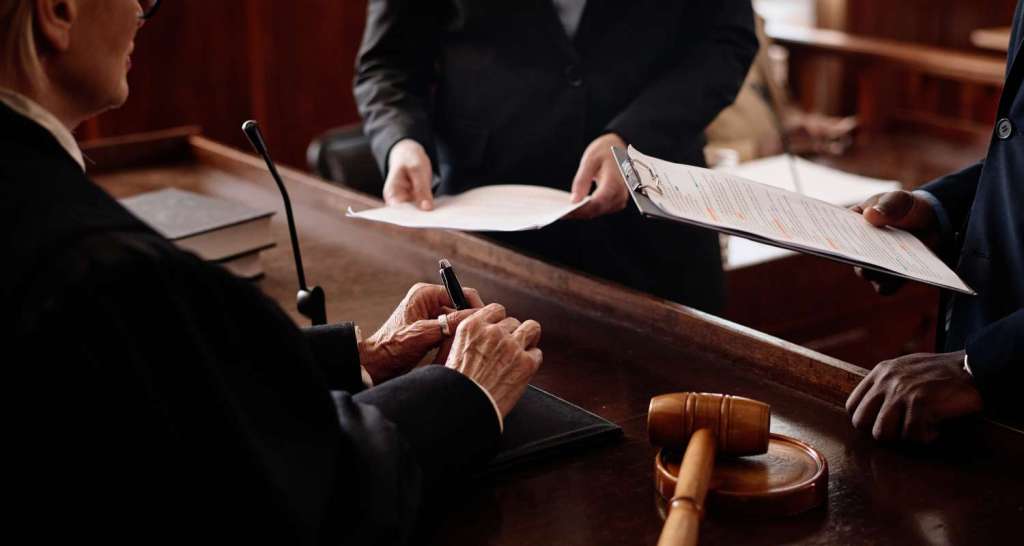
Facing criminal charges or a legal dispute is a serious matter and often, the most critical part of your case happens long before a trial even begins. Pretrial hearings set the tone for the rest of the legal process. That’s why hiring an experienced lawyer for pretrial hearings can be the difference between a favorable outcome and a legal nightmare.
In this guide, we’ll break down what pretrial hearings are, what happens during them, why they matter so much, and how a skilled attorney can protect your rights from day one.
What Are Pretrial Hearings?
Pretrial hearings are court proceedings that occur after an arrest or legal filing but before the actual trial. These hearings cover a variety of legal issues, such as:
- Setting bail
- Arguing motions to suppress evidence
- Reviewing discovery
- Plea deal negotiations
- Scheduling and procedural matters
The goal of a pretrial hearing is to clarify the facts, settle procedural concerns, and determine whether the case should move forward to trial—or be resolved beforehand.
Why Pretrial Hearings Matter
Many people underestimate the power of the pretrial phase. In truth, up to 90% of criminal cases are resolved before reaching trial. The pretrial stage is where your attorney lays the groundwork for your defense or legal strategy.
Here’s why pretrial hearings are critical:
- Evidence Can Be Challenged or Thrown Out
A skilled lawyer may file motions to suppress illegally obtained evidence. If successful, key pieces of the prosecution’s case could be excluded. - Charges Can Be Reduced—or Dismissed
Through plea negotiations or demonstrating procedural errors, an experienced attorney can convince the court to drop or reduce charges. - Case Strategy Is Defined
Your lawyer can use discovery materials (evidence from the other side) to plan the best approach for trial—or push for dismissal. - It Shapes Jury Perception (Indirectly)
While jurors aren’t present during pretrial hearings, what gets allowed into trial can shape how the jury ultimately sees the case.
The Role of an Experienced Pretrial Lawyer
So what does an experienced lawyer for pretrial hearings actually do? Here’s a closer look at the responsibilities and skills a competent attorney brings to the table during this phase:
1. Reviewing All Charges and Legal Documents
An experienced attorney starts by carefully reviewing your case—charges, arrest reports, witness statements, and more. They look for inconsistencies, constitutional violations, or opportunities for early dismissal.
2. Analyzing the Evidence
They examine the evidence for any signs of mishandling, unlawful search and seizure, or other violations of your rights. A lawyer with courtroom experience knows how to craft arguments to have tainted evidence thrown out.
3. Filing Pretrial Motions
An effective pretrial attorney files crucial motions that can shape the case:
- Motion to Dismiss
- Motion to Suppress Evidence
- Motion for Discovery
- Motion for Change of Venue
- Motion to Compel Disclosure
Each of these can shift the balance of power in your favor.
4. Negotiating With Prosecutors
Lawyers with strong pretrial experience often have professional relationships with local prosecutors. They know how to negotiate favorable plea deals, including reduced charges or sentencing options that avoid jail time.
5. Protecting Your Rights
Above all, your attorney ensures that your constitutional rights are protected every step of the way. From Miranda violations to unfair bail, a seasoned lawyer will object, argue, and fight for fairness.
What Happens During a Pretrial Hearing?
While every case is different, here’s what typically takes place during a pretrial hearing:
- Judicial Review of Charges
The judge reviews the charges and confirms whether there’s enough evidence to proceed. - Bail Considerations
Arguments are made for bail amount, or release without bail, depending on the charges. - Presentation of Motions
Your attorney may file and argue various motions. This is often where evidence suppression battles happen. - Plea Discussions
In many cases, prosecutors may offer a plea deal. Your attorney will advise you whether it’s wise to accept or go to trial. - Scheduling
The court sets timelines for the trial, future hearings, or compliance with court orders.
Real-Life Scenario: The Power of Pretrial Defense
Consider this case:
A young man was arrested in Kansas City for drug possession during a traffic stop. The police found the drugs in the trunk without a warrant.
A skilled lawyer filed a motion to suppress the evidence, arguing that the search violated the Fourth Amendment. The judge agreed. Without the drugs as evidence, the case was dismissed before it reached trial.
This example shows how crucial pretrial hearings are—and why experience matters.
Common Pretrial Motions That Can Win a Case
Here are some of the most effective legal motions that an experienced attorney might use during the pretrial process:
1. Motion to Suppress
Requests the court to exclude certain evidence because it was obtained illegally or improperly.
2. Motion to Dismiss
Asks the judge to drop the charges entirely, often due to lack of evidence or constitutional violations.
3. Motion for a Speedy Trial
If the government delays your trial excessively, your lawyer can argue for dismissal under the Sixth Amendment.
4. Motion in Limine
Used to exclude certain evidence from being introduced at trial to prevent jury bias.
Choosing the Right Lawyer for Pretrial Hearings
With so much at stake, how do you find the right attorney? Here’s what to look for:
- Track Record: Do they have experience handling pretrial motions and winning early dismissals?
- Reputation: Check online reviews and testimonials from former clients.
- Communication Skills: Do they clearly explain the process and keep you informed?
- Local Knowledge: An attorney familiar with your local courts, judges, and prosecutors can be a huge advantage.
- Free Consultations: Many lawyers offer a free initial consultation—use this to assess their expertise.
Frequently Asked Questions
Q: Can I represent myself in a pretrial hearing?
A: While you legally can, it’s highly discouraged. The pretrial phase involves complex motions, legal strategy, and procedural rules. Representing yourself can cost you the case.
Q: What happens if the prosecutor violates pretrial rules?
A: Your lawyer can file motions to exclude evidence or even dismiss the case depending on the severity of the violation.
Q: Can charges be dropped during a pretrial hearing?
A: Yes. If your lawyer successfully argues a motion or finds errors in the case, charges can be reduced or dropped entirely.
Final Thoughts: Don’t Wait for Trial Act Early
Many people assume the real fight begins in the courtroom. In truth, the battle often begins and ends long before trial.
Hiring an experienced lawyer for pretrial hearings gives you the best chance to challenge evidence, protect your rights, and even walk away without a trial. Whether you’re facing criminal charges, a civil dispute, or administrative penalties, the pretrial stage is where your outcome can be shaped most powerfully.
Don’t wait until it’s too late. Consult an experienced pretrial attorney today and take control of your case before it controls your future.




Leave a Reply